
The Limits of Moral Categories
The Spy Who Came in from the ColdThis thread traces the novel’s challenge to simple divisions between humane and monstrous conduct, as each side claims necessity and exposes its own cruelty.
increasing Bearing strength in each event
 decreasing
Bearing strength in each eventdecreasingLeamas Rejects Sermons
Distrust of Moral Instruction
A refusal to profess
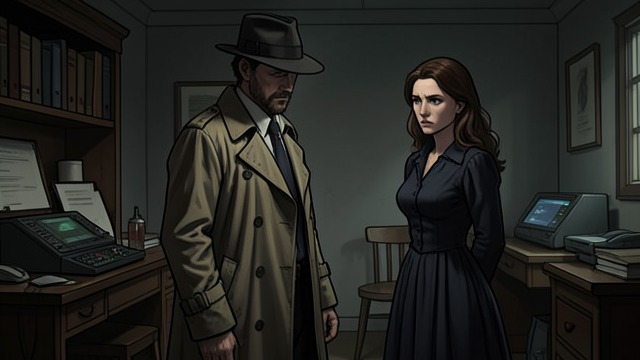
Leamas dislikes people who tell him what he ought to think and refuses to claim faith in a grand principle. His cynicism is a defense against institutions that demand loyalty.
A hidden commitment
Although he denies belief, his anger at Mundt and later concern for Liz show that he is not indifferent to human suffering. The conflict between his words and actions complicates his self-image.
Fiedler’s Universal Claim
The Joke of Similarity
A question about sacrifice
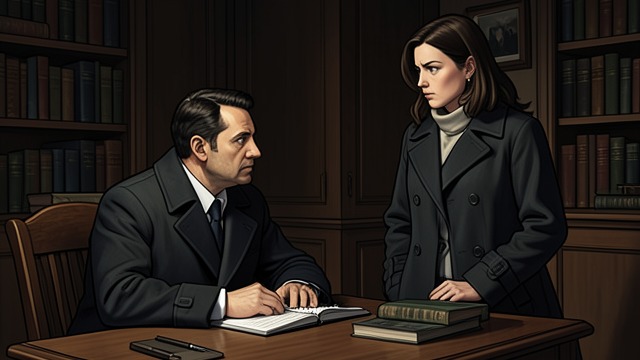
Fiedler asks whether British Intelligence would kill an innocent person if the need were great enough. Leamas answers that it depends on the need.
An unsettling conclusion
Fiedler concludes that the opposing systems share the same logic. The remark refuses the comfort of believing that one political side is morally pure.
Mundt’s Useful Evil
The Enemy Preserved
A hated asset
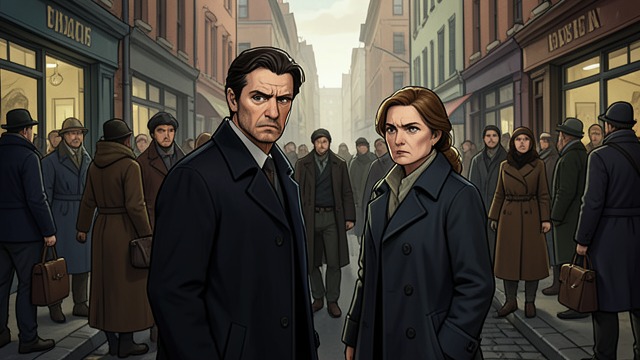
Leamas learns that Mundt is a British source whose value outweighs the risk of allowing him to remain in power. His brutality does not disqualify him from strategic usefulness.
Moral categories collapse
The enemy is both a Nazi sympathizer and an asset; the ally is both an intelligent investigator and a political victim. The labels do not protect anyone from exploitation.
Liz Names Contempt
Humanity as an Instrument
A direct accusation
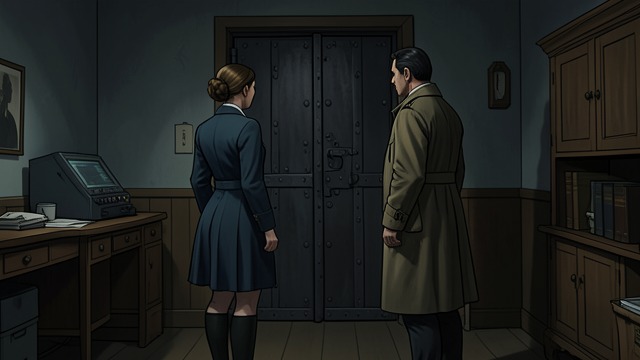
Liz says that the services have treated her as currency and used love as a weapon. She objects not only to the danger but to the contempt that makes human attachment operational material.
A different standard
Leamas can explain the logic of the game but cannot answer her moral objection. Her response exposes a dimension of harm that strategic reasoning has deliberately set aside.
The Last Human Choice
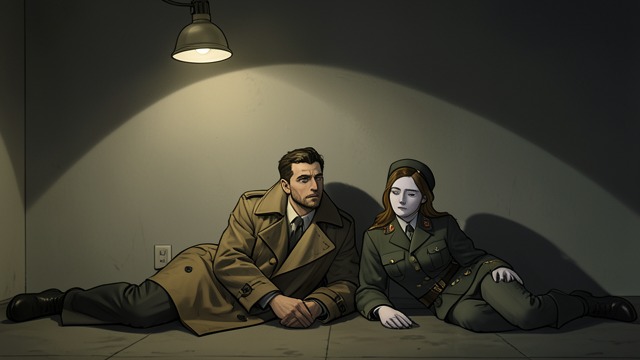
Action Against Doctrine
No speech can repair the loss
The operation’s rationales have already produced the deaths of innocent people. Leamas is left with an immediate choice rather than another argument about necessity.
A final act of care
He returns to Liz and dies beside her. His choice does not establish a political solution, but it gives the novel’s moral argument a human, irreversible form.
During his conversation with Liz about belief
During the post-arrest conversation in the hospital
After the Tribunal’s decision
During the escape drive after the truth is revealed
At the Wall after Liz is shot
